As Pharma Footpath develops its databases, we're able to quickly drill down into the commercial opportunities. Where I think this is most interesting currently is in looking at renegotiated prices in different markets, and taking advantage of these before others do.
Examples of this include:
- 50% reduction in price for Australian Xolair PFS, bringing this below EU market. Valuable for the 54 clinical trials globally, and for the wider number of trading opportunities that come from these English language packs
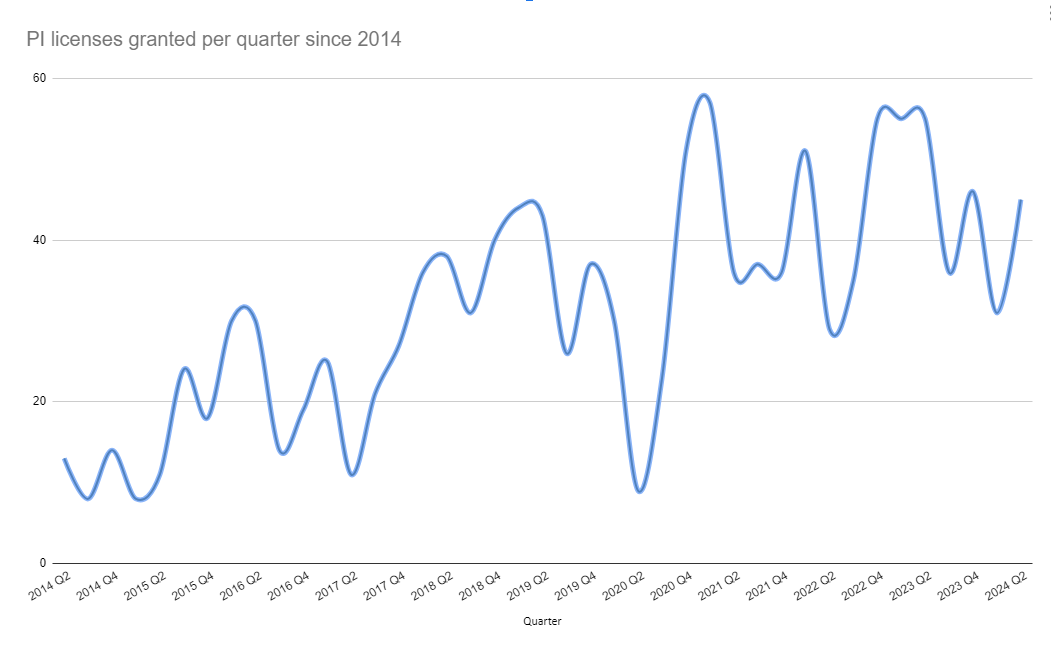
- The centrally authorised product Pradaxa has had over 300 parallel trade licenses granted, and is listed in 65 clinical trials globally. A recent price reduction of over 20% in Hungary makes this an import area to review
It's clear from the data that when price changes occur, they don't happen in a synchronized fashion. That creates opportunities for finding the markets that have the earliest price movement, but also acts as a warning to companies about committing to purchasing product that may be about to undergo significant market changes (Revlimid is a prime example in Europe!)
If you'd like to talk more about these points, please get in touch! I'm always keen to talk more about the insights we're finding, and what we can build from it to make your business win more.
The Netherlands has been the biggest trading market in Europe that PharmaFootpath had yet to include. I'm pleased to share we've now included the centralised product pricing, national product registrations will follow in the near future.
Adding a new country to our data takes some time as we have a number of steps to go through to ensure we have data integrity:
Agree data source for country (for example, we have an agreement with government in Germany to transfer data every 2 weeks)
Review data, isolating the data required for our database and identify any gaps
Translate the various APIs, presentations, routes, weights, and other data
Restructure data to match our schema
Run quality checks to ensure compliance with our standards, investigate each failure and resolve
Import data
This process is time consuming, and filled with complex edge cases, and often the origin data itself has mistakes included that we need to investigate. However, when we finish this, the end result is a well structured database that provides us with a valuable dataset that we can quickly interrogate and find new information.
I'm delighted we're continuing to add to this, and getting closer to our goals!
Phil
(If you've any questions about this, please feel free to message me to learn more!)
Using Pharmaceutical Supply Chain Data to Build Resiliency in Europe
European countries are increasingly embracing the strategic use of Pharmaceutical Supply Chain Data to create resilient healthcare systems that can meet ongoing challenges.
Pharmaceutical Supply Chain Data provides valuable insights into stock levels and enables better decision-making regarding procurement, storage, distribution, and waste management.
By leveraging this data, European countries can strengthen their healthcare infrastructure to ensure sustainable access to essential medicines and other medical supplies.
In this article, we discuss the potential of Pharmaceutical Supply Chain Data to build resilience in Europe.
The current state of the pharmaceutical supply chain in Europe
The pharmaceutical supply chain in Europe is facing disruption due to several interwoven factors beyond the control of pharmaceutical companies.
The COVID-19 pandemic has caused tremendous upheaval throughout the pharmaceutical supply chain, creating challenges that affect the entire pharma supply chain from manufacturing to distribution.
In addition, border closings and other bureaucratic challenges have led to shipping delays and long queues at borders, which can significantly disrupt the pharmaceutical supply chain within Europe.
As pharmaceuticals are essential products that demand reliable delivery, a disruption in the pharmaceutical supply chain isn't just an inconvenience, it could lead to a health crisis.
Companies need to take this risk seriously and develop comprehensive solutions to make sure their pharmaceutical supply chains are stable even when outside forces disrupt them.
The pharma industry in Europe has had to adapt swiftly due to global health events, adding strain and complexity to the pharma supply chain.
With this new reality, pharma companies need to make sure that their supply chain is as resilient as possible.
Various potential disruptions can occur within the pharma supply chain, such as unpredictable demand shifts, interruption of essential services from suppliers, pandemic-related shortages, or delays in logistics infrastructure.
To combat these risks pharma companies must reassess their current supply chains, identify potential vulnerabilities, determine the necessary steps for resilience, and then allocate resources strategically for successful implementation.
It's clear that for pharma companies to remain competitive in a disrupted atmosphere they must take proactive steps in securing their pharma supply chain against any type of disruption.
The benefits of data-driven resiliency planning
Resiliency planning is an essential part of supply chain management, especially for cold chain companies operating within the pharmaceutical industry.
Data-driven resiliency planning can help predict risks and vulnerabilities along the supply chain before they manifest, meaning fewer drug shortages and supply interruptions in the future.
In addition to reducing disruptions and safeguarding supply lines for vital medications, data-driven resiliency plans can also provide insights into improving supply chain efficiencies from production to delivery.
When combined with predictive analytics, cold chain companies and other organizations in this critical sector benefit from a more flexible, adaptive approach that helps protect against unprecedented events.
Data-driven resiliency planning is incredibly important in supply chain management, particularly with the current supply chain shocks faced by global pharmaceutical supply during the COVID-19 pandemic.
Through data collection, analysis and assessment of supply chain risks, companies can identify potential disruptions and plan precisely for discrepancies in supply and demand.
When dealing with supply chains, valuable resources such as money and time can be saved by spotting issues ahead of time and proactively taking steps to avoid them.
With data-driven resiliency planning, these issues are managed more efficiently through informed decision-making derived from evidence-based strategies.
This helps companies save on costs while allowing them to respond more quickly to supply chain problems.
Ultimately, data-driven resiliency planning is invaluable for managing supply chains and ensuring supply continuity in the face of potential supply shocks.
Using data to identify and prevent disruptions
Today, supply chain disruption has become an increasingly common problem in the pharma industry.
From supply shortages to ordering errors and contamination issues, these disruptions can have a devastating impact on pharmacies and patients alike.
To identify and prevent supply chain disruption before it starts, more and more companies are turning to digital supply chains.
From warehouse tracking systems to predictive analytics that can spot outliers before they become a widespread issue, they help provide insight into inventory management so supply chain professionals can adjust processes on a proactive basis.
By combining the right data insights with meaningful supply chain tools, pharma companies can effectively prevent supply chain disruption problems before they occur.
As we continue to grapple with supply chain disruption in the pharmaceutical supply chain, it is essential to turn to data-driven solutions for prevention.
Demand planning and digital supply chain management offer viable options when seeking to reduce disruption.
With demand planning, real-time analytics can be used to identify supply shortages and find the most efficient supply sources at any given time.
Digital supply chain initiatives aim to develop technology that monitors drug supply levels and inventory availability across the entire network of suppliers, distributors, and wholesalers.
Though these solutions require specialized expertise and substantial investments, they are necessary to ensure a secure supply chain with high-quality products available promptly.
Mitigating the impact of disruptions when they occur
To mitigate the impact of supply chain disruptions when they occur, supply chain leaders are increasingly turning to digital supply chains.
By using technology such as cloud-enabled platforms, data analytics, and RFID tags, supply chain teams can get visibility into every point along the supply chain journey.
This enables them to detect any potential supply chain disruptions early on and put contingency plans in place quickly to reduce their impact.
Ultimately this helps improve supply chain agility, which is critical for businesses that want to succeed in today’s rapidly changing market conditions.
To minimize the impact of supply chain disruptions, businesses need to develop supply chain resilience.
Establishing a supply chain tracking system can help with this; it allows for the monitoring of every stage of the supply chain so that organizations can be aware of where their inventory is located and anticipate any potential supply delays or shortages.
Additionally, communication between supply chain partners, from suppliers to distributors and retailers is essential for supply chain success; when everyone understands what's going on, supply problems can be addressed more quickly.
By proactively investing in supply chain resilience and focusing on strong communication between supply chain partners, companies can increase their chances of mitigating disruption and minimizing its impact when they occur.
Conclusion
In conclusion, the need for Pharmaceutical Supply Chain Data is ever-growing to build resiliency in Europe.
Digital supply chain initiatives, demand planning, and data analytics are all powerful tools that can help prevent supply chain disruption problems before they occur.
Additionally, communication between supply chain partners is essential for mitigating the impact of disruptions when they do happen, as well as developing a more resilient supply chain overall.
By leveraging Pharmaceutical Supply Chain Data, European companies can ensure their success and enable them to compete on a global scale.
Top 5 Challenges Facing Pharma Supply Chains in Europe
The pharma supply chain is an intricate web of processes, regulations, and systems that enable pharmaceutical companies to operate in Europe.
Unfortunately, the pharma industry faces numerous challenges which can significantly impact the efficiency and efficacy of pharma supply chains.
This article will discuss the top five pharma procurement challenges currently facing European pharma supply chains.
The supply chain in the pharma industry is highly intricate and relies on global supply chains to ensure supply of vital medicines.
As Europe opens up its markets for other nations, it also exposes itself to threats from counterfeiting and product diversion, a challenge which pharma companies are facing head-on.
In order to effectively combat these issues, they are having to invest resources into supply chain technology that goes well beyond traditional supply chain management methods.
This means reassessing and redesigning supply chain processes to better track and trace products through the channel, right up until they reach the patient.
The high cost of drugs in Europe
In Europe, pharmaceutical drugs can be extremely costly to purchase due to the pharmaceutical supply chain.
The pharmaceutical supply chain is made up of several interconnected entities such as pharmaceutical companies, marketing and distribution networks, pharmacy retailers, and more.
These different entities are all connected in a complex process that leads to high prices for pharmaceutical drug products.
Unfortunately for patients, this leaves them paying an incredibly steep price for medications.
Thankfully though, many governments have put in place policies to help make these medications more affordable or offer subsidies that can help offset some of the costs of pharmaceutical drugs in Europe.
The pharmaceutical industry in Europe is one of the most profitable markets with access to new medications and treatments due to pharmaceutical supply chains.
Unfortunately, this means that prices for drugs can be exorbitantly expensive for people who don’t have health insurance or government funded programs.
With a market so large and powerful comes the need to regulate pharmaceuticals so as not to harm poorer populations out of personal profit.
So far, there is no consensus on how exactly to best regulate pharmaceutical supply chains, but until there is, citizens in Europe will continue to pay some of the highest prices for pharmaceuticals seen around the world.
Drug counterfeiting and the need for better quality control
The pharmaceutical industry is feeling the pressure to do more to combat drug counterfeiting.
As pharmaceuticals make their way through the pharmaceutical supply chain, there are unfortunately opportunities for counterfeit drugs to be slipped in and passed off as genuine medications.
This severely undermines public confidence in pharmaceutical products and can even put patients' safety at risk.
In order to restore this level of trust, pharmaceutical companies must take aggressive steps to ensure a higher standard of quality control and detection in their pharmaceutical supply chain.
The industry must act now in order to protect its consumers and preserve its reputation.
Stock management and inventory shortages
The challenge of stock management and inventory shortages has been a daunting one for supply chain managers, especially in the face of an unpredictable supply market.
In order to properly manage supply chain risks, supply chain resilience needs to be carefully developed and maintained.
This means implementing strategies like supply tracking, just-in-time delivery, and collective inventory plans with frequent review periods.
Taking these steps will help supply chain managers plan for unexpected events such as supply demand shifts and rapidly fluctuating costs, allowing them to easily adjust their risk management strategies as necessary.
Stock management and inventory shortages are supply chain challenges that have the potential to make major negative impacts across an entire supply chain.
It is essential for supply chain continuity to effectively manage these issues, including predicting supply and demand of current and future inventory levels.
Monitoring stock forecasts, identifying potential supply disruptions, and maintaining relationships with suppliers are all strategies businesses can employ in order to ensure their supply chains remain secure.
Consequently, taking action on stock management and inventory shortage issues can help keep supply chains strong even when faced with unexpected challenges.
Transport and logistics challenges
Transport and logistics challenges can be very costly to pharma companies, as pharma supply chains are complex and depend on many different elements working together cohesively.
All pharma companies must abide by several industry compliance regulations to ensure secure and time-sensitive delivery of their product- a challenge when packages travel through different modes of transportation and have to pass through customs.
Additionally, pharma products require specialised temperature control requirements which add more complexity to global pharma supply chains.
Companies must always be aware of new regulations that may arise or changes in trade policies that could have an undesirable effect on their logistical operations.
With ever increasing demand for pharmaceutial products, pharma companies need to constantly come up with innovative ways to efficiently manage their transport and logistics challenges.
The efficient management of transport and logistical operations has become more difficult in recent years as organizations face increasing risk and complexity.
In order to effectively handle these challenges, organizations need to invest in risk management processes, supply chain optimization and Enterprise Resource Planning (ERP) systems.
Risk management allows business enterprises to proactively identify and analyze risk factors that could potentially harm the efficiency of their logistic operations, while enterprise resource planning allows for tighter control over their entire supply chain system.
In order to make logistics operations as effective as possible, businesses need to embrace these risk management strategies as well as prioritize ERP solutions, which can help them minimize transport delays and optimize their use of resources.
Pharma company must also always be aware of how quickly their supply chain operations can be affected by unexpected events such as natural disasters or changes in trade policies.
These issues can cause major delays and impede the timely delivery of pharma products to consumers.
The rise of online pharmacies
The advent of online pharmacies in the supply chain has had an impact on the pharma and pharmaceutical industry.
These digital providers are helping supply chain resilience, providing access to medicines for hard-to-reach and rural areas as well as offering a greater level of convenience to customers.
Online pharmacies provide a great opportunity for both companies and individuals to cut costs, with many offering services such as same-day delivery.
This is beneficial for people who are unable to leave their homes or have problems with mobility, allowing them access to their medications despite these challenges.
With the rise in technology comes an increased ability to meet customer needs through more efficient supply chains – something that has not been achieved before by traditional supply chains.
Online pharmacies are a rapidly growing sector, with pharma companies and other industry participants beginning to embrace the wave of digital transformation.
Despite the convenience of online orders and home delivery, there are still supply chain challenges for pharma companies associated with this development.
The pharma supply chain requires efficient management to ensure products are accessible in a timely manner and remain secure from counterfeiters.
Ultimately, pharma companies must find new ways to transform the supply chain which offer the customer quick and easy access to their medications while also providing transparency and security - something that goes hand-in-hand with the rise of online pharmacies.
Conslusion
In conclusion, the pharmaceutical industry is facing considerable logistical and supply chain challenges.
Companies must invest in risk management strategies and Enterprise Resource Planning (ERP) systems to efficiently manage their operations.
Additionally, the emergence of online pharmacies has presented both opportunities and challenges for pharma companies.
Through careful planning and innovative solutions, these organizations can find ways to optimize their logistics and ensure that customers have timely access to their medications while also providing transparency and security.
This will help maintain a strong foundation for an efficient supply chain network which can provide substantial benefits to all involved parties.
The pharmaceutical industry's global supply chain networks are subject to numerous risks and complexities due to changing regulations and customer requirements, global sourcing and logistics, and the need to respond quickly to drug recalls.
To manage these risks effectively, it is essential for companies in the industry to have a comprehensive global supply chain risk management strategy that identifies potential risks and implements strategies to reduce or eliminate them.
This strategy should include the development of effective communication protocols between suppliers and customers; enhanced security measures; improved forecasting techniques; better quality control processes; strong supplier relationships; and flexible production scheduling.
Through proactive planning, monitoring, and responding appropriately when challenges arise, pharmaceutical companies can ensure their supply chains operate as efficiently and safely as possible.
By embracing digital transformation and continuing to innovate, the pharma industry can leverage technology to unlock new opportunities and build a more resilient supply chain.
By leveraging digital providers, pharma companies can have access to up-to-date data in real time, enabling them to make decisions quickly and efficiently while maintaining visibility throughout their entire supply chain.
This will help ensure that products are delivered on time and with the highest quality standards possible.
Additionally, this technology provides an opportunity for improved communication between supplier and customer as well as greater access to data which can be used by both parties to better understand trends and anticipate changes in demand. Finally, digital solutions can help pharma companies take advantage of opportunities to reduce costs and increase efficiency.
By taking a proactive approach to managing the supply chain, pharma companies can ensure that their products are delivered safely, securely, and on time while also reducing risks associated with counterfeiting and other threats.
This will enable them to maintain acompetitive edge in an industry that is undergoing rapid change.
How to start wholesale pharmacy in Europe in 2023?
Starting a wholesale pharmacy in Europe in 2023 can be an exciting opportunity to expand your business.
However, the process of setting up a wholesale pharmacy requires careful consideration and planning.
The European wholesale market is highly regulated with strict rules and regulations governing the import, export, and sale of pharmaceutical products.
Additionally, there are significant differences between the legal framework for wholesale models within the EU countries compared to those of other countries.
To successfully launch a wholesale pharmacy business in Europe requires that you understand all applicable regulations as well as any potential requirements or restrictions in each country you intend to operate in.
In order to start a wholesale pharmacy business in Europe, entrepreneurs must first obtain the necessary licenses from their respective national authorities.
Depending on your chosen country and business model, this process may vary significantly.
In addition, opening up wholesale pharmacies often require substantial capital investments which should be considered before taking the plunge.
When considering wholesale pharmacy in Europe, entrepreneurs should be aware of the different wholesale models and regulations that apply to each country, such as product registration requirements, minimum capital requirementsfor wholesale businesses, payment structures for wholesalers, and more.
Additionally, understanding the local market dynamics is essential in order to ensure success in a wholesale venture.
Business intelligence tools like Pharmafootpath can help you a lot in your process of starting a wholesale pharmacy business.
Navigating the complexities of wholesale pharmacy can be daunting but with adequate preparation and knowledge, it is possible to launch a successful wholesale business in Europe by 2023.
With careful planning and research beforehand, you can make sure your business is on track for success.
How to start a wholesale pharmacy business in Europe
Starting a wholesale pharmacy business in Europe requires understanding supply chain regulations, procurement processes and product packaging requirements.
On the supply side, medical professionals such as hospital pharmacists should be approached for potential supply agreements with drug manufacturers.
From a retail standpoint, common OTC pharmaceuticals should be sourced from established distributors, wholesalers and retailers with valid licenses and certifications.
Lastly, once supply is secured, medical packaging must comply with standards set out by the European Medicines Agency for transporting regulated medications.
Establishing these points prior to venturing into the wholesale pharmacy business will ensure efficient operations in Europe.
Here are some key steps to consider when opening a wholesale pharmacy in Europe:
1. Identify the markets you wish to serve
Before starting out, take time to research which geographical areas you would like your wholesale pharmacy to serve and what types of products you would like it to carry. You will also need to determine how wide an area of coverage is necessary for your services and decide whether it should cover just one country or multiple countries in Europe.
2. Obtain necessary licenses and permits
Depending on the country, different regulations may apply when it comes to wholesale pharmacy licensing. In some countries there may be specific criteria to meet in order to obtain a license such as qualifications and experience. Additionally, you will need to acquire any necessary permits from the governments of each country where you are doing business.
3. Set up your wholesale pharmacy
Once you have obtained the necessary licenses and permits, you can begin setting up your wholesale pharmacy by finding a suitable location and setting up the necessary infrastructure for production and distribution. This includes investing in equipment, supplies, manufacturing processes, warehouse space, personnel and more.
4. Develop relationships with suppliers
To ensure successful operations for your wholesale pharmacy, you will need to develop strong relationships with suppliers who can provide reliable goods at competitive
What are the key considerations when starting a wholesale pharmacy in Europe
Starting a wholesale pharmacy in Europe requires careful consideration and planning of quality medicines, over the counter (OTC medicines), and the demand for affordable medicines.
Manufacturers of quality medicines must adhere to stringent quality standards in order to ensure the safety of patients.
Additionally, having access to quality raw materials is essential in delivering high quality finished products.
Regulations also need to be taken into account when dealing with OTC medicines as certain restrictions may be imposed on pharmaceutical manufacturers due to health and safety laws.
Moreover, it is important to consider affordability when sourcing healthcare products such as syringes, bandages, and more as they make up a significant portion of any pharmacy's stock.
Therefore, understanding consumer demand before setting up a wholesale pharmacy is crucial in order to stay competitive in Europe's pharmaceutical market.
The challenges you will face when running a wholesale pharmacy in Europe
Running a wholesale pharmacy in Europe presents many unique challenges that entrepreneurs have to overcome.
Same day dispatch and quality of products are important factors when it comes to providing a successful service. This means having tight control over your supply chain and ensuring that each step of the process is monitored carefully.
In addition, meeting diverse customer expectations and understanding consumer behavior in different markets can be difficult as preferences vary considerably from country to country.
Moreover, ensuring compliance with relevant legislation such as Good Distribution Practice (GDP) and other regulations is essential in order to run a successful business.
Finally, obtaining financing for a wholesale pharmacy can be challenging due to the high start-up cost of setting up a business with reliable infrastructure and gaining access to suppliers.
One of the major elements to remember is dedicated account managers for healthcare providers, community pharmacy, and other stakeholders who offer products and services.
Building relationships between these groups is essential to having a successful business because it establishes trust and reliability.
Additionally, each group has its own liabilities and regulations.
Long-standing practices need to be respected as well as adhering to all applicable laws.
Having an experienced dedicated contact is paramount as any missteps can lead to costly penalties or lawsuits.
Lastly, complying with all joint governmental regulatory bodies such as EMA or EU Good Distribution Practice guidelines is equally important regardless of the size of the operation or how long the company has been working in European markets.
The future of the wholesale pharmacy industry in Europe
The wholesale pharmacy industry in Europe is rapidly changing and evolving.
Quality products , customer service, and price competition are just a few of the key drivers that will determine the success of any business.
In the near future, it is expected that wholesale pharmacies in Europe will focus more on developing integrated supply chain management systems to ensure quicker product delivery times.
Quality of products is paramount, with new regulations targeting the reduction of unlicensed medicines flooding into the supply chain.
Pharmaceutical companies are being held responsible for ensuring quality assurance standards, to ensure quality control throughout the entire distribution process.
The courage of governments in setting licensing laws for food and drugs sold to wholesalers will help ensure a healthy, safe and secure future for the industry in Europe.
Additionally, technological advancements such as online prescription services that connect directly with quality-checked wholesalers will be instrumental in helping keep quality high while maintaining traditional healthcare systems.
With these advances taken into account, it's clear that Europe is well on its way to becoming a leader in quality lifecare products within the wholesale pharmacy industry.