
Updated 24/03/26
The pharmaceutical procurement process is often characterized by inefficiencies, fragmented supplier networks, and outdated technology.
The process of acquiring medications for hospitals, clinics, and pharmacies can be complex and time-consuming. Procurement teams frequently rely on multiple distributors, manual sourcing processes, and limited visibility into inventory across markets.
Digital transformation is becoming essential for pharmaceutical procurement to operate efficiently in a global supply environment.
Pharmaceutical manufacturers, distributors, and healthcare providers are increasingly adopting technology solutions such as cloud-based procurement platforms, analytics systems, and market intelligence tools to improve transparency and streamline sourcing operations.
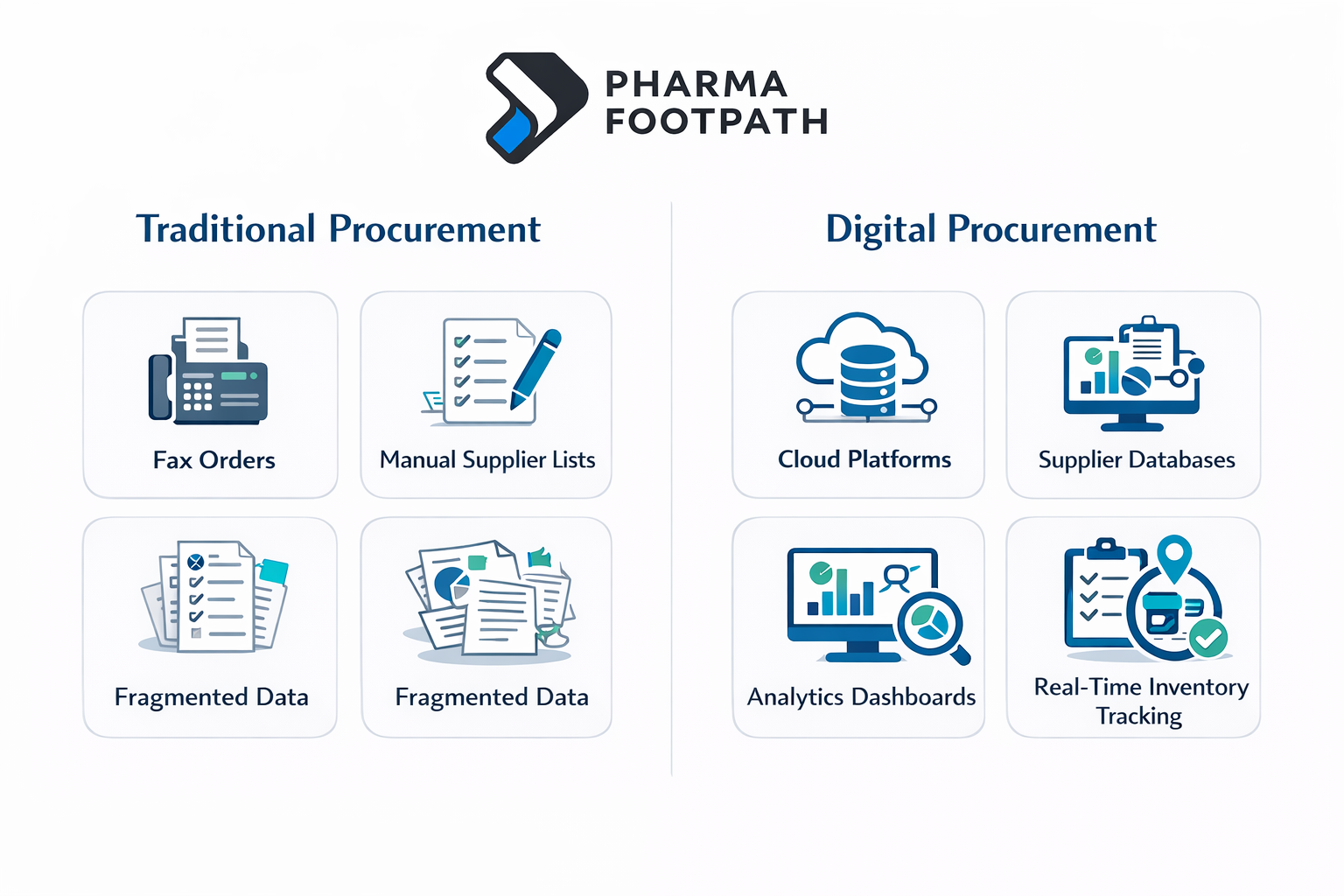
Cloud-based platforms enable healthcare providers to order medications quickly and accurately by connecting them directly with suppliers. This eliminates the need for manual order entry, faxing orders, or relying on intermediaries.
It also enables real-time tracking of inventory levels, so healthcare providers have a better understanding of the availability of medicines across suppliers.
As pharmaceutical supply chains become more complex and globalized, digital tools are enabling procurement teams to analyze supplier availability, monitor market pricing, and respond more quickly to supply disruptions.
What Is Pharmaceutical Procurement Transformation?
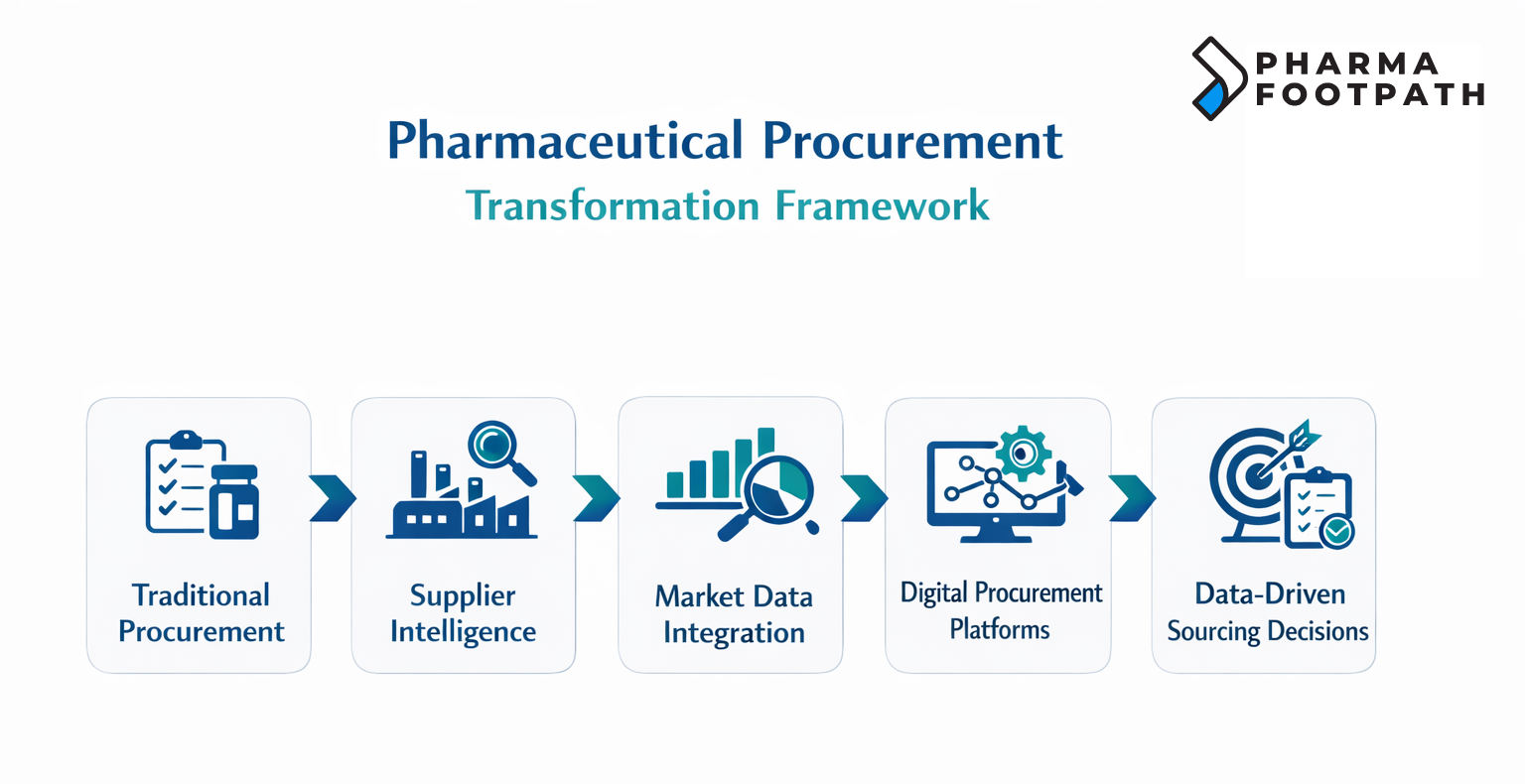
Pharmaceutical procurement transformation refers to the shift from traditional sourcing practices toward data-driven procurement supported by digital platforms, supply chain analytics, and automation technologies.
In traditional procurement environments, sourcing decisions were largely based on established supplier relationships and limited market visibility.
Modern procurement strategies increasingly rely on digital tools that allow procurement teams to:
- identify suppliers across multiple markets
- monitor medicine availability and shortages
- analyze pricing differences between countries
- track regulatory approvals and product registrations
This transformation is particularly important as pharmaceutical supply chains expand globally and procurement teams must manage a growing number of suppliers and regulatory requirements.
The Challenges of Pharmaceutical Procurement
When discussing challenges in pharmaceutical procurement, several key issues emerge.
Key challenges include
- Difficulty sourcing medications due to limited availability or high prices
- Difficulty tracking inventory levels across different suppliers
- Complex regulatory requirements require specialized compliance knowledge
- Lack of pricing transparency when purchasing pharmaceuticals
- Limited visibility into market conditions or supplier availability
Pharmaceutical procurement is a complex and demanding function, given the number of stakeholders involved and the potential impact of procurement decisions on patient access to medicines.
Procurement teams increasingly monitor official shortage databases such as the FDA Drug Shortage Database to track supply disruptions and identify alternative sourcing options.
Because pharmaceutical products must meet strict regulatory standards, procurement teams must ensure compliance throughout the entire supply chain.
Procurement strategies must therefore balance cost efficiency, supplier reliability, and regulatory compliance while also responding to external factors such as fluctuating market prices and shifts in the competitive landscape.
Regulatory authorities also publish shortage alerts and supply notifications. For example, the EMA medicine shortages reporting system provides updates on medicines affected by supply disruptions across European markets.
Traditional vs Digital Pharmaceutical Procurement
| Procurement Activity | Traditional Procurement | Digital Procurement |
|---|---|---|
| Supplier discovery | Manual distributor networks | Global supplier databases |
| Inventory visibility | Limited | Real-time tracking |
| Pricing transparency | Fragmented | Market intelligence tools |
| Supply risk monitoring | Reactive | Predictive analytics |
| Procurement decisions | Relationship-based | Data-driven sourcing |
The Benefits of Pharmaceutical Procurement Digital Transformation
The pharmaceutical industry continues to evolve rapidly, making efficient strategic sourcing increasingly important.
Digital transformation in pharmaceutical procurement offers several benefits, including cost savings, improved transparency, and enhanced supplier intelligence.
With modern technologies, pharmaceutical manufacturers can track the supply chain from raw material sourcing to final product delivery.
This provides procurement teams with accurate information on:
- inventory levels
- supplier performance
- pricing dynamics
- procurement trends
- supply market changes
Digital procurement systems can also make supplier selection more systematic and efficient.
Automation reduces the time required for supplier research and due diligence, while analytics-driven insights help procurement teams identify patterns in supplier performance and pricing behavior.
This increased visibility improves decision-making across procurement teams and supports more effective sourcing strategies.
Ultimately, digital transformation in procurement contributes to greater efficiency, improved transparency, and better outcomes for healthcare systems and patients.
Technologies Driving Pharmaceutical Procurement Transformation
Several technologies are accelerating digital transformation within pharmaceutical procurement.
Cloud procurement platforms
Cloud-based procurement systems connect healthcare providers directly with pharmaceutical suppliers, improving ordering efficiency and reducing manual processes.
Supply chain analytics
Advanced analytics tools allow procurement teams to analyze pricing trends, supplier performance, and demand patterns.
Artificial intelligence
AI technologies can support demand forecasting, supplier risk monitoring, and supply chain optimization.
Market intelligence platforms
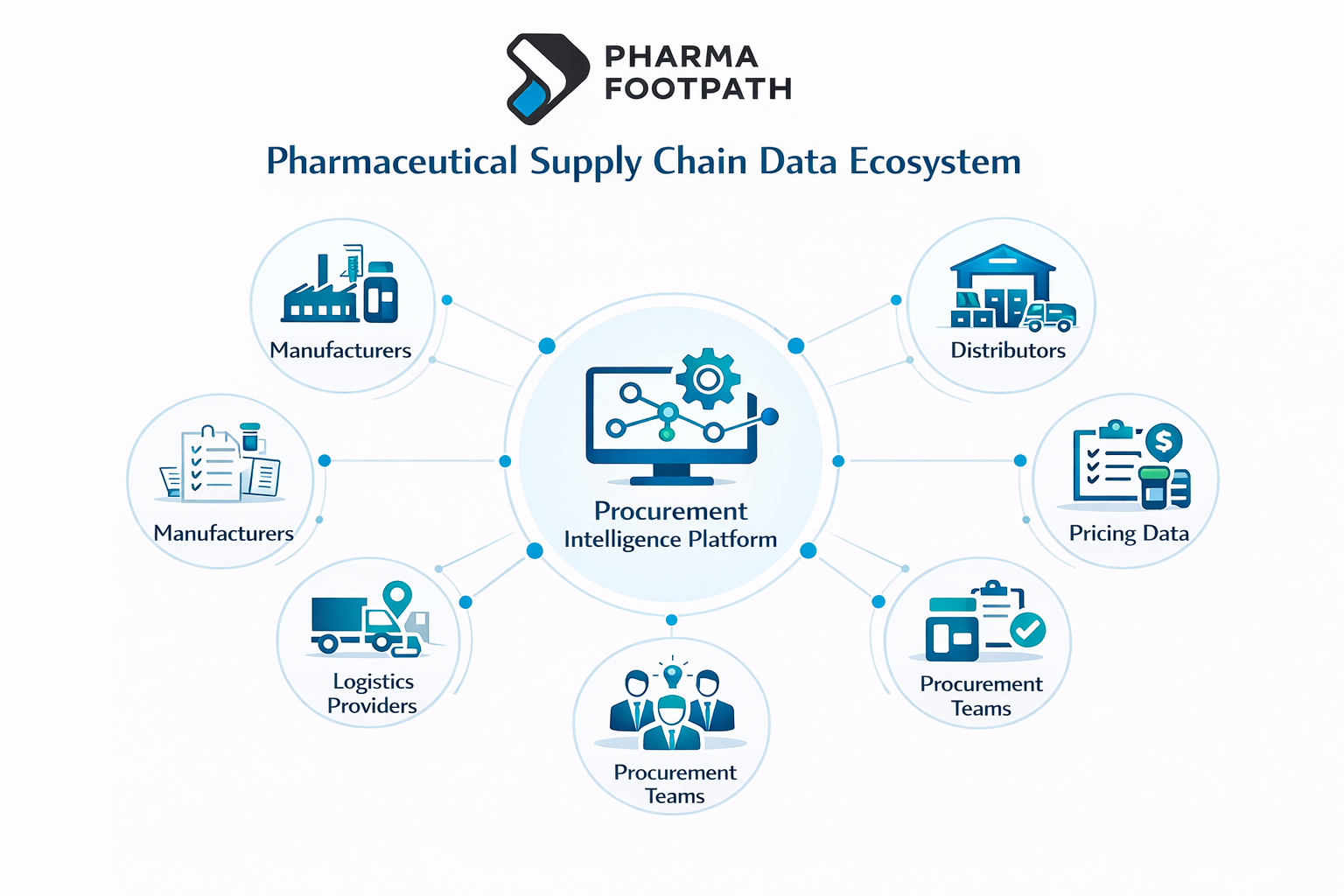
Procurement teams increasingly rely on pharmaceutical market intelligence platforms that aggregate supplier, pricing, and regulatory data across markets.
Market intelligence platforms are increasingly used by procurement teams to consolidate supplier data, pricing information, and regulatory insights across markets.
Tools such as Pharma Footpath help procurement teams analyze pharmaceutical product registrations, supplier networks, and market availability within a single environment, enabling faster, more informed sourcing decisions.
How to Start a Pharmaceutical Procurement Digital Transformation
Starting a pharmaceutical procurement digital transformation initiative requires a clear project strategy and coordination between procurement teams, technology providers, and supply chain stakeholders.
Key steps include:
- Develop a clear transformation roadmap with defined goals and timelines
- Map existing procurement workflows to identify inefficiencies
- Evaluate existing technology infrastructure and identify improvement opportunities
- Communicate transformation goals with procurement teams and suppliers
- Train staff to adopt new digital procurement tools
- Monitor progress using performance metrics and procurement analytics
By following these steps, organizations can ensure their digital transformation efforts produce measurable improvements in procurement efficiency and supply chain transparency.
Pharmaceutical Procurement Strategy in the Digital Era
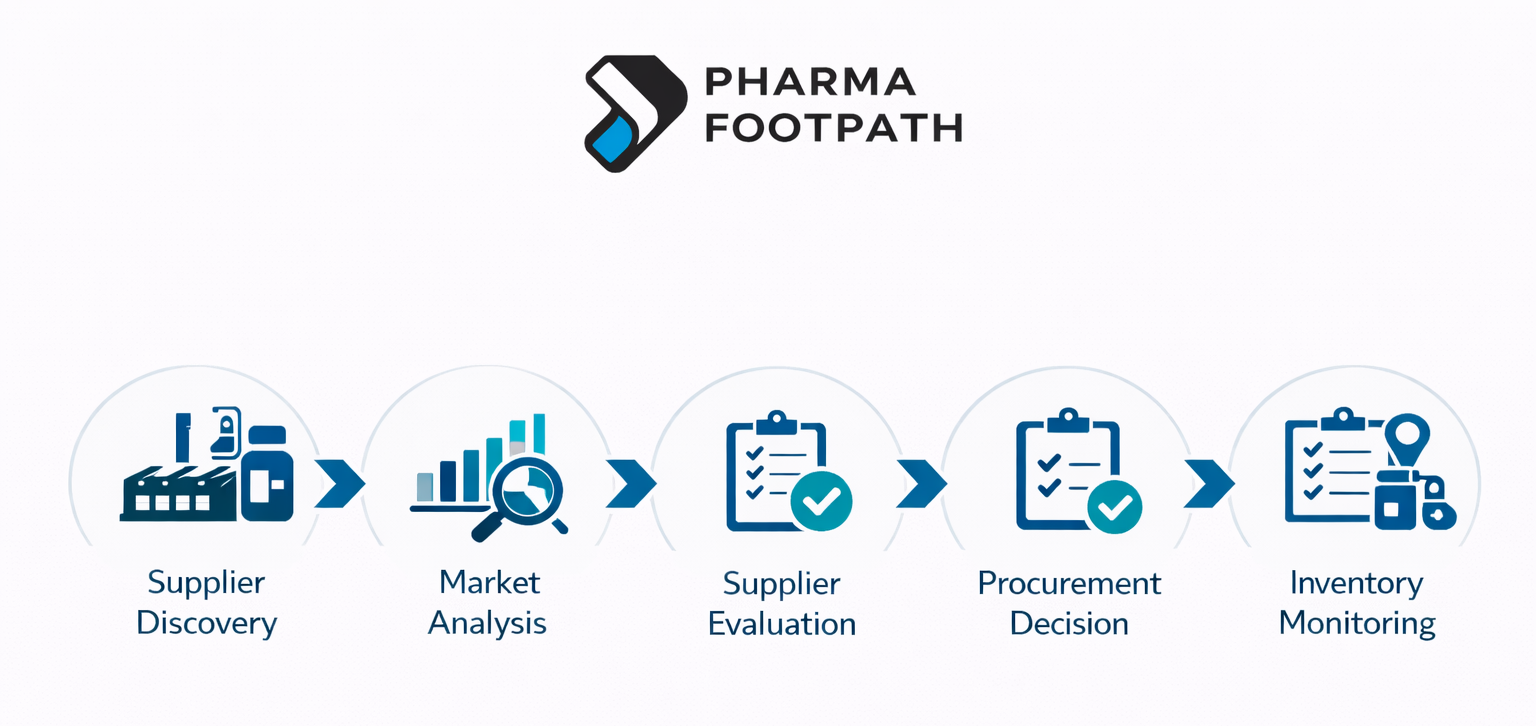
Modern pharmaceutical procurement strategies focus on three key priorities.
Supplier diversification
Organizations increasingly expand supplier networks to reduce dependency on a single manufacturer or region.
Data-driven sourcing
Procurement teams rely on supply chain intelligence platforms to analyze supplier availability and pricing across markets.
Supply chain resilience
Digital tools help procurement teams detect supply risks earlier and respond faster to market disruptions.
International organizations such as the World Health Organization's pharmaceutical supply chain guidance emphasize the importance of procurement transparency, supplier diversification, and strong regulatory oversight.
Using Market Intelligence for Pharmaceutical Procurement
Modern procurement strategies increasingly rely on supply market intelligence to identify sourcing opportunities and manage supply risks.
For example, procurement teams may analyze regulatory approval data, pricing differences across markets, and supplier networks to identify potential sourcing options.
Platforms such as Pharma Footpath aggregate pharmaceutical market data including product registrations, supplier information, and parallel trade insights to support procurement decision-making.
Key takeways
- Pharmaceutical procurement is becoming increasingly data-driven
- Digital platforms improve supplier visibility and pricing transparency
- Market intelligence tools help procurement teams respond to supply disruptions
- Digital transformation supports more strategic procurement decisions
The Future of Pharmaceutical Procurement
Pharmaceutical procurement is moving beyond traditional sourcing methods toward a more data-driven and technology-enabled model.
Research from the OECD pharmaceutical policy reports highlights how pricing transparency, procurement reform, and digital supply chain infrastructure are shaping the future of medicine procurement.
Digital transformation is allowing procurement teams to gain deeper visibility into supplier networks, market pricing, and medicine availability across different markets. These capabilities are becoming increasingly important as pharmaceutical supply chains grow more complex and global.
By integrating procurement analytics, supplier intelligence, and digital sourcing tools, organizations can strengthen supply chain resilience while improving cost control and transparency.
For procurement teams, the goal is no longer simply purchasing medicines at the lowest price. Modern pharmaceutical procurement strategies focus on ensuring supply continuity, identifying reliable suppliers, and responding quickly to market changes.
As digital technologies continue to evolve, procurement teams will increasingly rely on pharmaceutical procurement intelligence platforms that consolidate supplier data, pricing insights, and regulatory information into a single decision-making environment.
Organizations that adopt data-driven procurement strategies will be better positioned to manage supply disruptions, identify sourcing opportunities, and maintain reliable access to medicines.
Platforms that consolidate pharmaceutical market intelligence, such as Pharma Footpath, provide procurement teams with greater visibility into supplier networks and market availability, helping organizations make more informed sourcing decisions.
👉 Explore the Pharma Footpath platform
Frequently Asked Questions
What is pharmaceutical procurement?
Pharmaceutical procurement is the process of sourcing medicines and pharmaceutical products from manufacturers and distributors while ensuring regulatory compliance and continuity of supply.
What is pharmaceutical procurement transformation?
Pharmaceutical procurement transformation refers to the adoption of digital technologies and data platforms that improve supplier discovery, market visibility, and procurement decision-making.
Why is digital procurement important in pharma?
Digital procurement improves transparency across supplier networks, helps organizations detect supply risks earlier, and enables data-driven sourcing decisions.
How do procurement teams find pharmaceutical suppliers?
Procurement teams typically use distributor networks, regulatory databases, and pharmaceutical market intelligence platforms to identify qualified suppliers.
About the Author

Phil Thomas has had a varied background, including tech product management and international trade of pharmaceuticals. While primarily in clinical trial supply, he supported companies in unlicensed medicines, parallel trade, drug shortages, and managed access programmes.
He has previously sold a big data business and served as managing director at a cybersecurity consultancy. He has a large collection of unread books, which he promises to read one day.
 pharma footpath